Back to the main page Back to category Vintage Pro Audio Equipment
musical instrument details
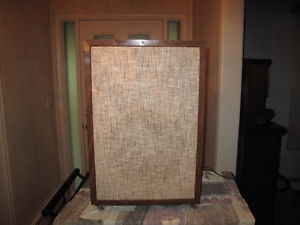
Chamberlin Rhythmate Vintage Drum Machine MODEL 30
Estimated price for orientation: 1 000 $
Category: Vintage Pro Audio Equipment
Class:
Description Type: Vintage Drum Machine Model: Rhythmate Brand: Chamberlin Country/Region of Manufacture: United States
The Chamberlin is an electro-mechanical that was a precursor to the . It was developed and patented by Wisconsin inventor Harry Chamberlin from 1949 to 1956, when the first model was introduced. Various models and versions of these Chamberlin music instruments exist. While most are keyboard-based instruments, there were also early produced and sold. Some of these drums patterns feature Harry Chamberlin's son Richard on them.Development[]Harry Chamberlin's idea for inventing the instrument came from his recording himself playing an organ. He formed the idea of playback music coming from an organ as a source of entertainment. He soon set about designing the first Chamberlin instruments as early as 1949. The intention was for the instrument to function as a home entertainment device for family sing-alongs, playing the Big Band standards of the day.The Chamberlin's use as a commercial instrument in rock (or rock and roll) music was never given consideration, as Harry Chamberlin generally resented rock music and rock musicians.The basic Chamberlin has a -style keyboard. Underneath each key is an individual playing mechanism. Each tape is pre-recorded with various or . When the player presses down a key, a pressure pad pushes the tape on to a tape head and a pinch roller beneath the key catches the tape and pulls it forward into storage box (or on to a roller mechanism). As this occurs the sound of the tape is heard through an amplified speaker. When the player releases the key, the sound stops, and the tape rewinds by either metal spring rods (as on the early Chamberlins) or by a return roller mechanism (as on the later M1 models). Each tape is only a few seconds long (8 seconds on many units).Harry Chamberlin spent considerable time (usually from sunrise to sunset) experimenting with sound and had converted a walk-in closet as his first home studio. After obtaining the right acoustics in the room and changing the acoustics of other rooms in his house, the first Chamberlin recordings were undertaken. All Chamberlin recordings were contracted and performed by members of the Orchestra in the late 1940s and throughout the 1950s. Welk was impressed with the idea of a tape playback instrument and offered to fund its manufacture if it was called a "Welk" machine. Chamberlin refused Welk's offer.Chamberlin used microphones to record the sounds. The sounds are characterized by a very clean output and heavy vibrato, which was customary of the music styles of the time. The Chamberlin sounds have little and possess dynamics true to the instruments recorded on the tapes (such as the air in the flute, or the flow in of the strings). The Chamberlin instruments were designed to accurately replicate the sound of the instrument recorded on the tape. They were also meant to be physically set in one place and not moved around. Because of this, there was less attention paid to making the instrument robust and many early Chamberlins have no internal chassis and are prone to go out of adjustment.As Chamberlin refined the build of his instruments, he began to bring them to music trade shows and competitors such as and were often curious about the origin of Chamberlin sounds. In an effort to compete, these companies were forced to create drum rhythms and manufacture plastic tabs with orchestral instrument names on them. These tabs would generate tones that simulated the sound of the instrument selected. The also took notice as well and tried to limit live performances of Chamberlin instruments fearing that their members would be put out of work. Despite the controversy, musicians worldwide embraced the Chamberlin and "" singer was one of the first customers, buying a customized model 300 without the rhythm section tapes.Chamberlin's company eventually grew with his own children working for him, and his window cleaner Bill Franson offering to become his salesman. Franson travelled the country offering the Chamberlin instruments to music stores, parlours, and cocktail lounges. Offers of larger distribution were made, but Harry Chamberlin preferred word of mouth advertising and did not like the terms and conditions of distributorship and eschewed it. Chamberlin also preferred and favoured doing business with lounges, nightclubs and musicians who embraced big band music, and disliked having his instrument associated with rock and roll music or rock musicians.In 1962 Bill Franson had gone missing for several months. A radio could be heard playing music in his apartment but attempts to contact him proved futile. Franson had left for England by boat taking two Chamberlin 600 models with him (one of these eventually became the possession of 's studio and appears on 's album in 1986). Franson placed an ad asking for a company that could manufacture seventy standard playback heads. Bradmatic Ltd. (an engineering company) responded to the ad.Franson removed the Chamberlin labels and sold the now re-badged "Franson" instrument to them without Harry Chamberlin's knowledge. Refining the 600 design into the Mark 1, Bradmatic eventually became Streetly Electronics and began manufacture of the Mellotron Mark 2 in 1963. In 1965 Harry Chamberlin became aware of this after being contacted by Mellotron distributors in America, and forced a legal arrangement with Streetly Electronics. After visiting owners Frank, Norman, and Les Bradley in person (and having an intense discussion with Franson), an arrangemen
Description
| Type: | Vintage Drum Machine | Model: | Rhythmate |
| Brand: | Chamberlin | Country/Region of Manufacture: | United States |
The Chamberlin is an electro-mechanical that was a precursor to the . It was developed and patented by Wisconsin inventor Harry Chamberlin from 1949 to 1956, when the first model was introduced. Various models and versions of these Chamberlin music instruments exist. While most are keyboard-based instruments, there were also early produced and sold. Some of these drums patterns feature Harry Chamberlin's son Richard on them.Development[]Harry Chamberlin's idea for inventing the instrument came from his recording himself playing an organ. He formed the idea of playback music coming from an organ as a source of entertainment. He soon set about designing the first Chamberlin instruments as early as 1949. The intention was for the instrument to function as a home entertainment device for family sing-alongs, playing the Big Band standards of the day.The Chamberlin's use as a commercial instrument in rock (or rock and roll) music was never given consideration, as Harry Chamberlin generally resented rock music and rock musicians.The basic Chamberlin has a -style keyboard. Underneath each key is an individual playing mechanism. Each tape is pre-recorded with various or . When the player presses down a key, a pressure pad pushes the tape on to a tape head and a pinch roller beneath the key catches the tape and pulls it forward into storage box (or on to a roller mechanism). As this occurs the sound of the tape is heard through an amplified speaker. When the player releases the key, the sound stops, and the tape rewinds by either metal spring rods (as on the early Chamberlins) or by a return roller mechanism (as on the later M1 models). Each tape is only a few seconds long (8 seconds on many units).Harry Chamberlin spent considerable time (usually from sunrise to sunset) experimenting with sound and had converted a walk-in closet as his first home studio. After obtaining the right acoustics in the room and changing the acoustics of other rooms in his house, the first Chamberlin recordings were undertaken. All Chamberlin recordings were contracted and performed by members of the Orchestra in the late 1940s and throughout the 1950s. Welk was impressed with the idea of a tape playback instrument and offered to fund its manufacture if it was called a "Welk" machine. Chamberlin refused Welk's offer.Chamberlin used microphones to record the sounds. The sounds are characterized by a very clean output and heavy vibrato, which was customary of the music styles of the time. The Chamberlin sounds have little and possess dynamics true to the instruments recorded on the tapes (such as the air in the flute, or the flow in of the strings). The Chamberlin instruments were designed to accurately replicate the sound of the instrument recorded on the tape. They were also meant to be physically set in one place and not moved around. Because of this, there was less attention paid to making the instrument robust and many early Chamberlins have no internal chassis and are prone to go out of adjustment.As Chamberlin refined the build of his instruments, he began to bring them to music trade shows and competitors such as and were often curious about the origin of Chamberlin sounds. In an effort to compete, these companies were forced to create drum rhythms and manufacture plastic tabs with orchestral instrument names on them. These tabs would generate tones that simulated the sound of the instrument selected. The also took notice as well and tried to limit live performances of Chamberlin instruments fearing that their members would be put out of work. Despite the controversy, musicians worldwide embraced the Chamberlin and "" singer was one of the first customers, buying a customized model 300 without the rhythm section tapes.Chamberlin's company eventually grew with his own children working for him, and his window cleaner Bill Franson offering to become his salesman. Franson travelled the country offering the Chamberlin instruments to music stores, parlours, and cocktail lounges. Offers of larger distribution were made, but Harry Chamberlin preferred word of mouth advertising and did not like the terms and conditions of distributorship and eschewed it. Chamberlin also preferred and favoured doing business with lounges, nightclubs and musicians who embraced big band music, and disliked having his instrument associated with rock and roll music or rock musicians.In 1962 Bill Franson had gone missing for several months. A radio could be heard playing music in his apartment but attempts to contact him proved futile. Franson had left for England by boat taking two Chamberlin 600 models with him (one of these eventually became the possession of 's studio and appears on 's album in 1986). Franson placed an ad asking for a company that could manufacture seventy standard playback heads. Bradmatic Ltd. (an engineering company) responded to the ad.Franson removed the Chamberlin labels and sold the now re-badged "Franson" instrument to them without Harry Chamberlin's knowledge. Refining the 600 design into the Mark 1, Bradmatic eventually became Streetly Electronics and began manufacture of the Mellotron Mark 2 in 1963. In 1965 Harry Chamberlin became aware of this after being contacted by Mellotron distributors in America, and forced a legal arrangement with Streetly Electronics. After visiting owners Frank, Norman, and Les Bradley in person (and having an intense discussion with Franson), an arrangemen