Back to the main page Back to category Microphones and Wireless Systems
musical instrument details
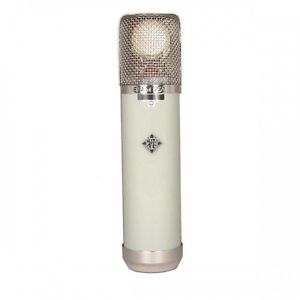
TELEFUNKEN - ELA M250 - DIAMOND SERIE
Estimated price for orientation: 13 878 $
Category: Microphones and Wireless Systems
Class:
Description Condition: New: A brand-new, unused, unopened, undamaged item in its original packaging (where packaging is applicable). Packaging should be the same as what is found in a retail store, unless the item is handmade or was packaged by the manufacturer in non-retail packaging, such as an unprinted box or plastic bag. See the seller's listing for full details. See all condition definitions- opens in a new window or tab ... Read moreabout the condition Brand: Telefunken Dynamique MPN: ELA M250 EAN: Does not apply
Référence : ELA M250 Disponibilité: Disponible en stock fournisseur
Livraison: Sous 4 jours ouvrés
Garantie: 2 ans pièces & main-d'oeuvre TELEFUNKEN - ELA M250 - DIAMOND SERIE - Microphone à lampe "AC-701"Capsule CK12 – 1 pouce, double membrane en or, double Paterne (Cardïo et Omni), livré avec Suspension et valise de transport On peut dire que le micro produisant le plus joli son jamais réalisé est le Telefunken ELAM 250 / 251. Il a été vendu en deux variantes : l’ELAM 250E / 251E qui utilise une lampe 6072a, l’ELAM 250 / 251 qui utilise une lampe TELEFUNKEN AC-701 Ces microphones ont été construits pour satisfaire les standards radios nationaux allemands et autrichiens. Puis, progressivement, ces deux micros sont devenus des légendes dans l'industrie de l'enregistrement moderne. En 1947, Neumann GmbH commence par créer le U-47. De 1947 à 1958 TELEFUNKEN GmbH a utilisé son réseau établi de distribution mondiale pour les produits fabriqués par Neumann. Donc les micros fabriqués par Neumann ont été vendus sous le nom et le logo TELEFUNKEN.
En 1958, Neumann n’a pas souhaité renouveler le contrat de distribution. TELEFUNKEN s’est alors allié à AKG Acoustics pour créer une version AKG du ''U-47'' distribué une fois encore dans le réseau TELEFUNKEN. Ce microphone style « U-47 » fut connu sous le nom « ELAM 250 ». Comme les U-47, ce nouveau micro permettait la sélection de directivités (cardioïde et omnidirectionnelle) au niveau de la tête du microphone.
Au même moment, Neumann a également sorti son U-48 qui permettait l’utilisation cardioïde et bi-directionnelle.
C’est pourquoi Le TELEFUNKEN « ELAM 251 » a été un amalgame des deux avec la possibilité de trois directivités (cardioïde, bi-directionnelle et omnidirectionnelle). Le commutateur à la base de la capsule est la seule similitude entre les Neumann U-47 / U-48 et la série ELAM 250 / 251. La capsule CK12 du TELEFUNKEN ELAM 250 / 251 se caractérise par un bord fin et une technologie à gradient de pression (idem que le C-12 AKG). L'amplificateur dispose du même circuit que l'on retrouve dans le C-12 AKG avec une lampe GE 6072 et un transformateur de sortie Haufe de ratio de 14:1.
Un circuit avec une lampe TELEFUNKEN AC-701 a également été conçu pour répondre aux spécifications techniques des diffuseurs allemands et autrichiens au cours de la période de fabrication de ces microphones. Alors que le sélecteur de directivités du C-12 était dans un boitier de commutation externe relié à l'alimentation, l'ELAM 250 / 251 a supprimé ce rajout afin de minimiser les problèmes de longueur de câble et réduire le coût de ce boitier. Les ingénieurs / concepteurs d'AKG Acoustics ont également pensé à fabriquer un micro que l’on peut facilement réparer même en pleine séance avec un peu de connaissance, des bons outils et une bonne dextérité, ce qui est chose impossible avec un U47 ou un C12 très compliqués à entretenir et demandant de grosses connaissances en électronique. Pour l’ELAM 251E, il suffit de dévisser manuellement l'anneau sur la partie inférieure du corps et le tube du corps en métal sort juste en glissant (sans d’outils). Une fois le corps enlevé, la capsule ou l'amplificateur peut être remplacé en moins d'une minute, ce qui n’est pas négligeable lorsque l’on est en pleine prise de son avec un grand orchestre ! L'amplificateur de la série ELAM 250 / 251 est logé dans un boîtier en plastique moulé. La capsule est maintenue en place par deux broches métalliques qui vont jusqu'à l'extérieur du boîtier de l'amplificateur. En mettant en place ce système, n’importe quel élément essentiel peut être remplacé en quelques secondes et la session peut se poursuivre pendant que l'autre élément peut être envoyé à l'atelier technique.
Cette pratique s’est révélé être un atout majeur pour les diffuseurs car le temps c’est de l’argent et avec des musiciens présents dans des conditions de direct il n’y avait pas droit à l’erreur. Tout gain de temps réduisait les frais de la session et ajoutait à la qualité de la diffusion. Malheureusement pour TELEFUNKEN GmbH, cette facilité de remplacement s'est également avéré être un obstacle aux ventes en dehors du monde de l’enregistrement orchestral car les morceaux de plastique utilisés dans ces micros ajoutaient des coûts importants à la production. Ce coût supplémentaire le rendait nettement plus cher à l'époque que le U47 Neumann et le C12 AKG Acoustics, donc les structures privées n'ont pas adopté ces systèmes aussi facilement que TELEFUNKEN l’aurait voulu. On pense que moins de 3700 systèmes ELAM ont été construits de 1960 à 1965 date de fin de vente de ce micro. Aujourd'hui, les exemplaires originaux d’ELAM 250 / 251 et ELAM 250 E / 251 E sont devenus rares et très recherchés, ces véritables bijoux se vendent des dizaines de milliers de dollars sur le marché audio vintage.
Vous constaterez que la reproduction de TELEFUNKEN Elektroakustik de ces micros de légendes, bien que plus chère que la plupart des micros modernes, reste fidèle à l'héritage de leurs ainées même quarante ans après. Aujourd’hui TELEFUNKEN Elektroakoustik a apporté une nouvelle évolution à ces légendes du son par la création de la capsule CK-13 qui peut s’adapter sur les ELAM 250 / 251 déjà en service et que l’on peut aussi retrouver sur l’ELAM 251 T disponible via le «custom shop». Caracteristiques : Type Condensateur a gradient de Pression Capsule CK12 – 1 pouce, double membrane en or Gamme de Fréquences 20Hz / 20kHz Directivités Cardioïde, Omni et Figure 8 (251/251E) / Cardioid et Omni (250/250E) Sensibilité approx 1.2 mvolts per dyne / cm sq Impédance 200 ohms stock / 50 ohms commutable SPL 138 dB Distorsion non linéaire inférieure ou égale à 0.5% à 100 dyne / cm sq Bruit 16 dB (a-weighted) Lampe 6072a General Electric JAN twin triode (251E et 250E) / Telefunken AC701 (250/251) Reference : ELA M250 Availability: Available in supplier stock
Processing time: Under 4 working days
Guaranty: 2 years by manufacturer TELEFUNKEN - ELA M250 - DIAMOND SERIE Arguably the most beautiful sounding microphone ever produced, the TELEFUNKEN ELA M 250 / 251 was originally sold in two variations: the "ELA M 250E / 251E" version utilized a 6072a tube, while the "ELA M 250 / 251" version contained a TELEFUNKEN AC-701 tube. The "no-suffix" microphones were built to satisfy the standardized requirements of the German and Austrian national broadcast systems. While both versions of these microphones have achieved legendary stature in the modern recording industry, the road to achieving this legendary status was far from instantaneous. In 1947 Neumann GmbH first built the U-47 microphone. From 1947 to 1958 TELEFUNKEN GmbH used their established global distribution network for the products produced by Neumann GmbH, which were sold under the TELEFUNKEN name with a TELEFUNKEN logo badge.
In 1958 when Neumann GmbH notified TELEFUNKEN GmbH that they had decided to not renew their distribution contract, TELEFUNKEN reached out to AKG Acoustics about the possibility of AKG creating a "U-47 like" model for TELEFUNKEN to plug into their global distribution network. This U-47-esque microphone was to be known as the ELA M 250. Like the U-47 this new microphone featured the pattern selection (cardioid and omni-directional) switch on the head of the microphone. Around 1958 Neumann GmbH also released their U-48 microphone which featured cardioid and "figure 8" pattern selection. The TELEFUNKEN ELA M 251 was an amalgam of the two as it featured 3 pattern (cardioid, figure 8 and omni-directional) selection capability. The switch housing at the base of the capsule assembly is where the similarity between the Neumann GmbH U-47 / U-48 and the ELA M 250 /251 microphone series ends.
The TELEFUNKEN ELA M 250 / 251 features an edge terminated, dual backplate CK-12 capsule (as found in the AKG Acoustics GmbH C-12). The amplifier was the same circuit found in the C-12 that featured a GE 6072 tube and a Haufe 14:1 ratio output transformer. As previously mentioned, a system that featured a TELEFUNKEN AC-701 tube was also designed to meet the technical specifications of German and Austrian broadcast during the period when these microphones were originally constructed. While the C-12 accomplished pattern selection with an outboard switching device that was connected to the power supply, the ELA M 250 / 251 eliminated that addition to the system and minimized both the quantity of wires that had to run to the microphone as well as the expense of the external pattern selection box. The design engineers at AKG Acoustics also came up with another very handy feature, which was the capability to minimize the time necessary to accomplish "field repairs" of the microphone. Both the C-12 and U-47/48 microphones require a fair bit of knowledge, a steady hand, as well as a couple of screwdrivers to get to the internal workings of the mic. All that was required to "field repair" the ELA M 251E was the removal of the ring on the bottom of the body and the metal body tube would slide right off (no tools necessary!!). Once the body tube was removed either the capsule or the amplifier could be replaced in under a minute saving precious time when under the gun in a broadcast or orchestral recording environment. The amplifier in the ELA M 250 / 251 series is housed in a molded plastic enclosure. The capsule is held in place by two metal struts that run up the exterior of the amplifier housing. By implementing this system, either of these critical components could be replaced in seconds and the session could continue while either system element could be sent to the technical shop for "component level repair". This convenience was something the broadcasters of the time found to be a major plus as they had thousands of dollars of musicians sitting around for the live music broadcasts of the day. Any time saved cut down on the expense of the session, and added to the quality of the broadcast. Unfortunately for TELEFUNKEN GmbH, these field replacement provisions also proved to be a sales impediment outside of the orchestral recording world as the plastic bits employed in these microphones added significant cost to the construction of the microphones. The added cost made them markedly more expensive at the time than the Neumann GmbH and AKG Acoustics GmbH products, thus the non Government owned facilities of the time did not adopt these systems as readily as TELEFUNKEN GmbH would have liked. It is thought that fewer than 3700 total original ELA M systems were built from 1960 to 1965 when TELEFUNKEN GmbH discontinued sales of the microphone.
Today, prime examples of vintage ELA M 250 / 251 [both "E" and "non E"] microphones have become rare and highly sought after jewels, commanding tens of thousands of dollars on the vintage market. You will find that the TELEFUNKEN Elektroakustik recreations exemplify the best qualities of the best examples of these legendary beasts, and while more expensive than most modern microphones, they are true to the heritage of their 40+ year old brethren. Features : Type Condenser Pressure Gradient Capsule CK12 Frequency Range 20Hz / 20kHz Polar Pattern Cardioid, Omni (250), Cardioid, Omni & Figure 8 (251) Sensitivity 11.5 mV/pa +/- 1 dB THD at 1kHz at 1Pa <0.15% Output Impedance <200 ohms Maximum SPL 132 dB Non Linear Distortion Less than or equal to 0.5% at 100 dyne / cm sq Self Noise 7dBA Tube Type GE JAN 6072a Power Type Dedicated American-made power supply with slow-ramping filament voltage Size 8 1/2" (216mm) length x 2" (51mm) diameter Weight 20oz (567g), 34oz (960g) with swivel Supply Current <1mA(4V) 100mA Connected Via Historic stand mount swivel, XLR-3 (M) output Supplied Accessories Locking flight case, power supply, wooden mic box, clasping shock mount, 25' Accusound quad-shielded cable with swivel connector Referencia : ELA M250 Availability: Available in supplier stock
Processing time: Under 4 working days
Guaranty: 2 years by manufacturer TELEFUNKEN - ELA M250 - DIAMOND SERIE Arguably the most beautiful sounding microphone ever produced, the TELEFUNKEN ELA M 250 / 251 was originally sold in two variations: the "ELA M 250E / 251E" version utilized a 6072a tube, while the "ELA M 250 / 251" version contained a TELEFUNKEN AC-701 tube. The "no-suffix" microphones were built to satisfy the standardized requirements of the German and Austrian national broadcast systems. While both versions of these microphones have achieved legendary stature in the modern recording industry, the road to achieving this legendary status was far from instantaneous. In 1947 Neumann GmbH first built the U-47 microphone. From 1947 to 1958 TELEFUNKEN GmbH used their established global distribution network for the products produced by Neumann GmbH, which were sold under the TELEFUNKEN name with a TELEFUNKEN logo badge.
In 1958 when Neumann GmbH notified TELEFUNKEN GmbH that they had decided to not renew their distribution contract, TELEFUNKEN reached out to AKG Acoustics about the possibility of AKG creating a "U-47 like" model for TELEFUNKEN to plug into their global distribution network. This U-47-esque microphone was to be known as the ELA M 250. Like the U-47 this new microphone featured the pattern selection (cardioid and omni-directional) switch on the head of the microphone. Around 1958 Neumann GmbH also released their U-48 microphone which featured cardioid and "figure 8" pattern selection. The TELEFUNKEN ELA M 251 was an amalgam of the two as it featured 3 pattern (cardioid, figure 8 and omni-directional) selection capability. The switch housing at the base of the capsule assembly is where the similarity between the Neumann GmbH U-47 / U-48 and the ELA M 250 /251 microphone series ends.
The TELEFUNKEN ELA M 250 / 251 features an edge terminated, dual backplate CK-12 capsule (as found in the AKG Acoustics GmbH C-12). The amplifier was the same circuit found in the C-12 that featured a GE 6072 tube and a Haufe 14:1 ratio output transformer. As previously mentioned, a system that featured a TELEFUNKEN AC-701 tube was also designed to meet the technical specifications of German and Austrian broadcast during the period when these microphones were originally constructed. While the C-12 accomplished pattern selection with an outboard switching device that was connected to the power supply, the ELA M 250 / 251 eliminated that addition to the system and minimized both the quantity of wires that had to run to the microphone as well as the expense of the external pattern selection box. The design engineers at AKG Acoustics also came up with another very handy feature, which was the capability to minimize the time necessary to accomplish "field repairs" of the microphone. Both the C-12 and U-47/48 microphones require a fair bit of knowledge, a steady hand, as well as a couple of screwdrivers to get to the internal workings of the mic. All that was required to "field repair" the ELA M 251E was the removal of the ring on the bottom of the body and the metal body tube would slide right off (no tools necessary!!). Once the body tube was removed either the capsule or the amplifier could be replaced in under a minute saving precious time when under the gun in a broadcast or orchestral recording environment. The amplifier in the ELA M 250 / 251 series is housed in a molded plastic enclosure. The capsule is held in place by two metal struts that run up the exterior of the amplifier housing. By implementing this system, either of these critical components could be replaced in seconds and the session could continue while either system element could be sent to the technical shop for "component level repair". This convenience was something the broadcasters of the time found to be a major plus as they had thousands of dollars of musicians sitting around for the live music broadcasts of the day. Any time saved cut down on the expense of the session, and added to the quality of the broadcast. Unfortunately for TELEFUNKEN GmbH, these field replacement provisions also proved to be a sales impediment outside of the orchestral recording world as the plastic bits employed in these microphones added significant cost to the construction of the microphones. The added cost made them markedly more expensive at the time than the Neumann GmbH and AKG Acoustics GmbH products, thus the non Government owned facilities of the time did not adopt these systems as readily as TELEFUNKEN GmbH would have liked. It is thought that fewer than 3700 total original ELA M systems were built from 1960 to 1965 when TELEFUNKEN GmbH discontinued sales of the microphone.
Today, prime examples of vintage ELA M 250 / 251 [both "E" and "non E"] microphones have become rare and highly sought after jewels, commanding tens of thousands of dollars on the vintage market. You will find that the TELEFUNKEN Elektroakustik recreations exemplify the best qualities of the best examples of these legendary beasts, and while more expensive than most modern microphones, they are true to the heritage of their 40+ year old brethren. Features : Type Condenser Pressure Gradient Capsule CK12 Frequency Range 20Hz / 20kHz Polar Pattern Cardioid, Omni (250), Cardioid, Omni & Figure 8 (251) Sensitivity 11.5 mV/pa +/- 1 dB THD at 1kHz at 1Pa <0.15% Output Impedance <200 ohms Maximum SPL 132 dB Non Linear Distortion Less than or equal to 0.5% at 100 dyne / cm sq Self Noise 7dBA Tube Type GE JAN 6072a Power Type Dedicated American-made power supply with slow-ramping filament voltage Size 8 1/2" (216mm) length x 2" (51mm) diameter Weight 20oz (567g), 34oz (960g) with swivel Supply Current <1mA(4V) 100mA Connected Via Historic stand mount swivel, XLR-3 (M) output Supplied Accessories Locking flight case, power supply, wooden mic box, clasping shock mount, 25' Accusound quad-shielded cable with swivel connector Artikel-Nr : ELA M250 Availability: Available in supplier stock
Processing time: Under 4 working days
Guaranty: 2 years by manufacturer TELEFUNKEN - ELA M250 - DIAMOND SERIE Arguably the most beautiful sounding microphone ever produced, the TELEFUNKEN ELA M 250 / 251 was originally sold in two variations: the "ELA M 250E / 251E" version utilized a 6072a tube, while the "ELA M 250 / 251" version contained a TELEFUNKEN AC-701 tube. The "no-suffix" microphones were built to satisfy the standardized requirements of the German and Austrian national broadcast systems. While both versions of these microphones have achieved legendary stature in the modern recording industry, the road to achieving this legendary status was far from instantaneous. In 1947 Neumann GmbH first built the U-47 microphone. From 1947 to 1958 TELEFUNKEN GmbH used their established global distribution network for the products produced by Neumann GmbH, which were sold under the TELEFUNKEN name with a TELEFUNKEN logo badge.
In 1958 when Neumann GmbH notified TELEFUNKEN GmbH that they had decided to not renew their distribution contract, TELEFUNKEN reached out to AKG Acoustics about the possibility of AKG creating a "U-47 like" model for TELEFUNKEN to plug into their global distribution network. This U-47-esque microphone was to be known as the ELA M 250. Like the U-47 this new microphone featured the pattern selection (cardioid and omni-directional) switch on the head of the microphone. Around 1958 Neumann GmbH also released their U-48 microphone which featured cardioid and "figure 8" pattern selection. The TELEFUNKEN ELA M 251 was an amalgam of the two as it featured 3 pattern (cardioid, figure 8 and omni-directional) selection capability. The switch housing at the base of the capsule assembly is where the similarity between the Neumann GmbH U-47 / U-48 and the ELA M 250 /251 microphone series ends.
The TELEFUNKEN ELA M 250 / 251 features an edge terminated, dual backplate CK-12 capsule (as found in the AKG Acoustics GmbH C-12). The amplifier was the same circuit found in the C-12 that featured a GE 6072 tube and a Haufe 14:1 ratio output transformer. As previously mentioned, a system that featured a TELEFUNKEN AC-701 tube was also designed to meet the technical specifications of German and Austrian broadcast during the period when these microphones were originally constructed. While the C-12 accomplished pattern selection with an outboard switching device that was connected to the power supply, the ELA M 250 / 251 eliminated that addition to the system and minimized both the quantity of wires that had to run to the microphone as well as the expense of the external pattern selection box. The design engineers at AKG Acoustics also came up with another very handy feature, which was the capability to minimize the time necessary to accomplish "field repairs" of the microphone. Both the C-12 and U-47/48 microphones require a fair bit of knowledge, a steady hand, as well as a couple of screwdrivers to get to the internal workings of the mic. All that was required to "field repair" the ELA M 251E was the removal of the ring on the bottom of the body and the metal body tube would slide right off (no tools necessary!!). Once the body tube was removed either the capsule or the amplifier could be replaced in under a minute saving precious time when under the gun in a broadcast or orchestral recording environment. The amplifier in the ELA M 250 / 251 series is housed in a molded plastic enclosure. The capsule is held in place by two metal struts that run up the exterior of the amplifier housing. By implementing this system, either of these critical components could be replaced in seconds and the session could continue while either system element could be sent to the technical shop for "component level repair". This convenience was something the broadcasters of the time found to be a major plus as they had thousands of dollars of musicians sitting around for the live music broadcasts of the day. Any time saved cut down on the expense of the session, and added to the quality of the broadcast. Unfortunately for TELEFUNKEN GmbH, these field replacement provisions also proved to be a sales impediment outside of the orchestral recording world as the plastic bits employed in these microphones added significant cost to the construction of the microphones. The added cost made them markedly more expensive at the time than the Neumann GmbH and AKG Acoustics GmbH products, thus the non Government owned facilities of the time did not adopt these systems as readily as TELEFUNKEN GmbH would have liked. It is thought that fewer than 3700 total original ELA M systems were built from 1960 to 1965 when TELEFUNKEN GmbH discontinued sales of the microphone.
Today, prime examples of vintage ELA M 250 / 251 [both "E" and "non E"] microphones have become rare and highly sought after jewels, commanding tens of thousands of dollars on the vintage market. You will find that the TELEFUNKEN Elektroakustik recreations exemplify the best qualities of the best examples of these legendary beasts, and while more expensive than most modern microphones, they are true to the heritage of their 40+ year old brethren. Features : Type Condenser Pressure Gradient Capsule CK12 Frequency Range 20Hz / 20kHz Polar Pattern Cardioid, Omni (250), Cardioid, Omni & Figure 8 (251) Sensitivity 11.5 mV/pa +/- 1 dB THD at 1kHz at 1Pa <0.15% Output Impedance <200 ohms Maximum SPL 132 dB Non Linear Distortion Less than or equal to 0.5% at 100 dyne / cm sq Self Noise 7dBA Tube Type GE JAN 6072a Power Type Dedicated American-made power supply with slow-ramping filament voltage Size 8 1/2" (216mm) length x 2" (51mm) diameter Weight 20oz (567g), 34oz (960g) with swivel Supply Current <1mA(4V) 100mA Connected Via Historic stand mount swivel, XLR-3 (M) output Supplied Accessories Locking flight case, power supply, wooden mic box, clasping shock mount, 25' Accusound quad-shielded cable with swivel connector Riferimento : ELA M250 Availability: Available in supplier stock
Processing time: Under 4 working days
Guaranty: 2 years by manufacturer TELEFUNKEN - ELA M250 - DIAMOND SERIE Arguably the most beautiful sounding microphone ever produced, the TELEFUNKEN ELA M 250 / 251 was originally sold in two variations: the "ELA M 250E / 251E" version utilized a 6072a tube, while the "ELA M 250 / 251" version contained a TELEFUNKEN AC-701 tube. The "no-suffix" microphones were built to satisfy the standardized requirements of the German and Austrian national broadcast systems. While both versions of these microphones have achieved legendary stature in the modern recording industry, the road to achieving this legendary status was far from instantaneous. In 1947 Neumann GmbH first built the U-47 microphone. From 1947 to 1958 TELEFUNKEN GmbH used their established global distribution network for the products produced by Neumann GmbH, which were sold under the TELEFUNKEN name with a TELEFUNKEN logo badge.
In 1958 when Neumann GmbH notified TELEFUNKEN GmbH that they had decided to not renew their distribution contract, TELEFUNKEN reached out to AKG Acoustics about the possibility of AKG creating a "U-47 like" model for TELEFUNKEN to plug into their global distribution network. This U-47-esque microphone was to be known as the ELA M 250. Like the U-47 this new microphone featured the pattern selection (cardioid and omni-directional) switch on the head of the microphone. Around 1958 Neumann GmbH also released their U-48 microphone which featured cardioid and "figure 8" pattern selection. The TELEFUNKEN ELA M 251 was an amalgam of the two as it featured 3 pattern (cardioid, figure 8 and omni-directional) selection capability. The switch housing at the base of the capsule assembly is where the similarity between the Neumann GmbH U-47 / U-48 and the ELA M 250 /251 microphone series ends.
The TELEFUNKEN ELA M 250 / 251 features an edge terminated, dual backplate CK-12 capsule (as found in the AKG Acoustics GmbH C-12). The amplifier was the same circuit found in the C-12 that featured a GE 6072 tube and a Haufe 14:1 ratio output transformer. As previously mentioned, a system that featured a TELEFUNKEN AC-701 tube was also designed to meet the technical specifications of German and Austrian broadcast during the period when these microphones were originally constructed. While the C-12 accomplished pattern selection with an outboard switching device that was connected to the power supply, the ELA M 250 / 251 eliminated that addition to the system and minimized both the quantity of wires that had to run to the microphone as well as the expense of the external pattern selection box. The design engineers at AKG Acoustics also came up with another very handy feature, which was the capability to minimize the time necessary to accomplish "field repairs" of the microphone. Both the C-12 and U-47/48 microphones require a fair bit of knowledge, a steady hand, as well as a couple of screwdrivers to get to the internal workings of the mic. All that was required to "field repair" the ELA M 251E was the removal of the ring on the bottom of the body and the metal body tube would slide right off (no tools necessary!!). Once the body tube was removed either the capsule or the amplifier could be replaced in under a minute saving precious time when under the gun in a broadcast or orchestral recording environment. The amplifier in the ELA M 250 / 251 series is housed in a molded plastic enclosure. The capsule is held in place by two metal struts that run up the exterior of the amplifier housing. By implementing this system, either of these critical components could be replaced in seconds and the session could continue while either system element could be sent to the technical shop for "component level repair". This convenience was something the broadcasters of the time found to be a major plus as they had thousands of dollars of musicians sitting around for the live music broadcasts of the day. Any time saved cut down on the expense of the session, and added to the quality of the broadcast. Unfortunately for TELEFUNKEN GmbH, these field replacement provisions also proved to be a sales impediment outside of the orchestral recording world as the plastic bits employed in these microphones added significant cost to the construction of the microphones. The added cost made them markedly more expensive at the time than the Neumann GmbH and AKG Acoustics GmbH products, thus the non Government owned facilities of the time did not adopt these systems as readily as TELEFUNKEN GmbH would have liked. It is thought that fewer than 3700 total original ELA M systems were built from 1960 to 1965 when TELEFUNKEN GmbH discontinued sales of the microphone.
Today, prime examples of vintage ELA M 250 / 251 [both "E" and "non E"] microphones have become rare and highly sought after jewels, commanding tens of thousands of dollars on the vintage market. You will find that the TELEFUNKEN Elektroakustik recreations exemplify the best qualities of the best examples of these legendary beasts, and while more expensive than most modern microphones, they are true to the heritage of their 40+ year old brethren. Features : Type Condenser Pressure Gradient Capsule CK12 Frequency Range 20Hz / 20kHz Polar Pattern Cardioid, Omni (250), Cardioid, Omni & Figure 8 (251) Sensitivity 11.5 mV/pa +/- 1 dB THD at 1kHz at 1Pa <0.15% Output Impedance <200 ohms Maximum SPL 132 dB Non Linear Distortion Less than or equal to 0.5% at 100 dyne / cm sq Self Noise 7dBA Tube Type GE JAN 6072a Power Type Dedicated American-made power supply with slow-ramping filament voltage Size 8 1/2" (216mm) length x 2" (51mm) diameter Weight 20oz (567g), 34oz (960g) with swivel Supply Current <1mA(4V) 100mA Connected Via Historic stand mount swivel, XLR-3 (M) output Supplied Accessories Locking flight case, power supply, wooden mic box, clasping shock mount, 25' Accusound quad-shielded cable with swivel connector Global Audio Store, Revendeur Telefunken Dynamique agréé
Global Audio Store, Authorized Telefunken Dynamique Dealer
Global Audio Store, Authorized Telefunken Dynamique Dealer
Global Audio Store, Authorized Telefunken Dynamique Dealer
Global Audio Store, Authorized Telefunken Dynamique Dealer
Description
| Condition: | New: A brand-new, unused, unopened, undamaged item in its original packaging (where packaging is applicable). Packaging should be the same as what is found in a retail store, unless the item is handmade or was packaged by the manufacturer in non-retail packaging, such as an unprinted box or plastic bag. See the seller's listing for full details. See all condition definitions- opens in a new window or tab ... Read moreabout the condition | Brand: | Telefunken Dynamique |
| MPN: | ELA M250 | EAN: | Does not apply |
Référence : ELA M250
Disponibilité: Disponible en stock fournisseur
Livraison: Sous 4 jours ouvrés
Garantie: 2 ans pièces & main-d'oeuvre
Livraison: Sous 4 jours ouvrés
Garantie: 2 ans pièces & main-d'oeuvre
TELEFUNKEN - ELA M250 - DIAMOND SERIE - Microphone à lampe "AC-701"Capsule CK12 – 1 pouce, double membrane en or, double Paterne (Cardïo et Omni), livré avec Suspension et valise de transport On peut dire que le micro produisant le plus joli son jamais réalisé est le Telefunken ELAM 250 / 251. Il a été vendu en deux variantes : l’ELAM 250E / 251E qui utilise une lampe 6072a, l’ELAM 250 / 251 qui utilise une lampe TELEFUNKEN AC-701 Ces microphones ont été construits pour satisfaire les standards radios nationaux allemands et autrichiens. Puis, progressivement, ces deux micros sont devenus des légendes dans l'industrie de l'enregistrement moderne. En 1947, Neumann GmbH commence par créer le U-47. De 1947 à 1958 TELEFUNKEN GmbH a utilisé son réseau établi de distribution mondiale pour les produits fabriqués par Neumann. Donc les micros fabriqués par Neumann ont été vendus sous le nom et le logo TELEFUNKEN.
En 1958, Neumann n’a pas souhaité renouveler le contrat de distribution. TELEFUNKEN s’est alors allié à AKG Acoustics pour créer une version AKG du ''U-47'' distribué une fois encore dans le réseau TELEFUNKEN. Ce microphone style « U-47 » fut connu sous le nom « ELAM 250 ». Comme les U-47, ce nouveau micro permettait la sélection de directivités (cardioïde et omnidirectionnelle) au niveau de la tête du microphone.
Au même moment, Neumann a également sorti son U-48 qui permettait l’utilisation cardioïde et bi-directionnelle.
C’est pourquoi Le TELEFUNKEN « ELAM 251 » a été un amalgame des deux avec la possibilité de trois directivités (cardioïde, bi-directionnelle et omnidirectionnelle). Le commutateur à la base de la capsule est la seule similitude entre les Neumann U-47 / U-48 et la série ELAM 250 / 251. La capsule CK12 du TELEFUNKEN ELAM 250 / 251 se caractérise par un bord fin et une technologie à gradient de pression (idem que le C-12 AKG). L'amplificateur dispose du même circuit que l'on retrouve dans le C-12 AKG avec une lampe GE 6072 et un transformateur de sortie Haufe de ratio de 14:1.
Un circuit avec une lampe TELEFUNKEN AC-701 a également été conçu pour répondre aux spécifications techniques des diffuseurs allemands et autrichiens au cours de la période de fabrication de ces microphones. Alors que le sélecteur de directivités du C-12 était dans un boitier de commutation externe relié à l'alimentation, l'ELAM 250 / 251 a supprimé ce rajout afin de minimiser les problèmes de longueur de câble et réduire le coût de ce boitier. Les ingénieurs / concepteurs d'AKG Acoustics ont également pensé à fabriquer un micro que l’on peut facilement réparer même en pleine séance avec un peu de connaissance, des bons outils et une bonne dextérité, ce qui est chose impossible avec un U47 ou un C12 très compliqués à entretenir et demandant de grosses connaissances en électronique. Pour l’ELAM 251E, il suffit de dévisser manuellement l'anneau sur la partie inférieure du corps et le tube du corps en métal sort juste en glissant (sans d’outils). Une fois le corps enlevé, la capsule ou l'amplificateur peut être remplacé en moins d'une minute, ce qui n’est pas négligeable lorsque l’on est en pleine prise de son avec un grand orchestre ! L'amplificateur de la série ELAM 250 / 251 est logé dans un boîtier en plastique moulé. La capsule est maintenue en place par deux broches métalliques qui vont jusqu'à l'extérieur du boîtier de l'amplificateur. En mettant en place ce système, n’importe quel élément essentiel peut être remplacé en quelques secondes et la session peut se poursuivre pendant que l'autre élément peut être envoyé à l'atelier technique.
Cette pratique s’est révélé être un atout majeur pour les diffuseurs car le temps c’est de l’argent et avec des musiciens présents dans des conditions de direct il n’y avait pas droit à l’erreur. Tout gain de temps réduisait les frais de la session et ajoutait à la qualité de la diffusion. Malheureusement pour TELEFUNKEN GmbH, cette facilité de remplacement s'est également avéré être un obstacle aux ventes en dehors du monde de l’enregistrement orchestral car les morceaux de plastique utilisés dans ces micros ajoutaient des coûts importants à la production. Ce coût supplémentaire le rendait nettement plus cher à l'époque que le U47 Neumann et le C12 AKG Acoustics, donc les structures privées n'ont pas adopté ces systèmes aussi facilement que TELEFUNKEN l’aurait voulu. On pense que moins de 3700 systèmes ELAM ont été construits de 1960 à 1965 date de fin de vente de ce micro. Aujourd'hui, les exemplaires originaux d’ELAM 250 / 251 et ELAM 250 E / 251 E sont devenus rares et très recherchés, ces véritables bijoux se vendent des dizaines de milliers de dollars sur le marché audio vintage.
Vous constaterez que la reproduction de TELEFUNKEN Elektroakustik de ces micros de légendes, bien que plus chère que la plupart des micros modernes, reste fidèle à l'héritage de leurs ainées même quarante ans après. Aujourd’hui TELEFUNKEN Elektroakoustik a apporté une nouvelle évolution à ces légendes du son par la création de la capsule CK-13 qui peut s’adapter sur les ELAM 250 / 251 déjà en service et que l’on peut aussi retrouver sur l’ELAM 251 T disponible via le «custom shop». Caracteristiques : Type Condensateur a gradient de Pression Capsule CK12 – 1 pouce, double membrane en or Gamme de Fréquences 20Hz / 20kHz Directivités Cardioïde, Omni et Figure 8 (251/251E) / Cardioid et Omni (250/250E) Sensibilité approx 1.2 mvolts per dyne / cm sq Impédance 200 ohms stock / 50 ohms commutable SPL 138 dB Distorsion non linéaire inférieure ou égale à 0.5% à 100 dyne / cm sq Bruit 16 dB (a-weighted) Lampe 6072a General Electric JAN twin triode (251E et 250E) / Telefunken AC701 (250/251)
En 1958, Neumann n’a pas souhaité renouveler le contrat de distribution. TELEFUNKEN s’est alors allié à AKG Acoustics pour créer une version AKG du ''U-47'' distribué une fois encore dans le réseau TELEFUNKEN. Ce microphone style « U-47 » fut connu sous le nom « ELAM 250 ». Comme les U-47, ce nouveau micro permettait la sélection de directivités (cardioïde et omnidirectionnelle) au niveau de la tête du microphone.
Au même moment, Neumann a également sorti son U-48 qui permettait l’utilisation cardioïde et bi-directionnelle.
C’est pourquoi Le TELEFUNKEN « ELAM 251 » a été un amalgame des deux avec la possibilité de trois directivités (cardioïde, bi-directionnelle et omnidirectionnelle). Le commutateur à la base de la capsule est la seule similitude entre les Neumann U-47 / U-48 et la série ELAM 250 / 251. La capsule CK12 du TELEFUNKEN ELAM 250 / 251 se caractérise par un bord fin et une technologie à gradient de pression (idem que le C-12 AKG). L'amplificateur dispose du même circuit que l'on retrouve dans le C-12 AKG avec une lampe GE 6072 et un transformateur de sortie Haufe de ratio de 14:1.
Un circuit avec une lampe TELEFUNKEN AC-701 a également été conçu pour répondre aux spécifications techniques des diffuseurs allemands et autrichiens au cours de la période de fabrication de ces microphones. Alors que le sélecteur de directivités du C-12 était dans un boitier de commutation externe relié à l'alimentation, l'ELAM 250 / 251 a supprimé ce rajout afin de minimiser les problèmes de longueur de câble et réduire le coût de ce boitier. Les ingénieurs / concepteurs d'AKG Acoustics ont également pensé à fabriquer un micro que l’on peut facilement réparer même en pleine séance avec un peu de connaissance, des bons outils et une bonne dextérité, ce qui est chose impossible avec un U47 ou un C12 très compliqués à entretenir et demandant de grosses connaissances en électronique. Pour l’ELAM 251E, il suffit de dévisser manuellement l'anneau sur la partie inférieure du corps et le tube du corps en métal sort juste en glissant (sans d’outils). Une fois le corps enlevé, la capsule ou l'amplificateur peut être remplacé en moins d'une minute, ce qui n’est pas négligeable lorsque l’on est en pleine prise de son avec un grand orchestre ! L'amplificateur de la série ELAM 250 / 251 est logé dans un boîtier en plastique moulé. La capsule est maintenue en place par deux broches métalliques qui vont jusqu'à l'extérieur du boîtier de l'amplificateur. En mettant en place ce système, n’importe quel élément essentiel peut être remplacé en quelques secondes et la session peut se poursuivre pendant que l'autre élément peut être envoyé à l'atelier technique.
Cette pratique s’est révélé être un atout majeur pour les diffuseurs car le temps c’est de l’argent et avec des musiciens présents dans des conditions de direct il n’y avait pas droit à l’erreur. Tout gain de temps réduisait les frais de la session et ajoutait à la qualité de la diffusion. Malheureusement pour TELEFUNKEN GmbH, cette facilité de remplacement s'est également avéré être un obstacle aux ventes en dehors du monde de l’enregistrement orchestral car les morceaux de plastique utilisés dans ces micros ajoutaient des coûts importants à la production. Ce coût supplémentaire le rendait nettement plus cher à l'époque que le U47 Neumann et le C12 AKG Acoustics, donc les structures privées n'ont pas adopté ces systèmes aussi facilement que TELEFUNKEN l’aurait voulu. On pense que moins de 3700 systèmes ELAM ont été construits de 1960 à 1965 date de fin de vente de ce micro. Aujourd'hui, les exemplaires originaux d’ELAM 250 / 251 et ELAM 250 E / 251 E sont devenus rares et très recherchés, ces véritables bijoux se vendent des dizaines de milliers de dollars sur le marché audio vintage.
Vous constaterez que la reproduction de TELEFUNKEN Elektroakustik de ces micros de légendes, bien que plus chère que la plupart des micros modernes, reste fidèle à l'héritage de leurs ainées même quarante ans après. Aujourd’hui TELEFUNKEN Elektroakoustik a apporté une nouvelle évolution à ces légendes du son par la création de la capsule CK-13 qui peut s’adapter sur les ELAM 250 / 251 déjà en service et que l’on peut aussi retrouver sur l’ELAM 251 T disponible via le «custom shop». Caracteristiques : Type Condensateur a gradient de Pression Capsule CK12 – 1 pouce, double membrane en or Gamme de Fréquences 20Hz / 20kHz Directivités Cardioïde, Omni et Figure 8 (251/251E) / Cardioid et Omni (250/250E) Sensibilité approx 1.2 mvolts per dyne / cm sq Impédance 200 ohms stock / 50 ohms commutable SPL 138 dB Distorsion non linéaire inférieure ou égale à 0.5% à 100 dyne / cm sq Bruit 16 dB (a-weighted) Lampe 6072a General Electric JAN twin triode (251E et 250E) / Telefunken AC701 (250/251)
Reference : ELA M250
Availability: Available in supplier stock
Processing time: Under 4 working days
Guaranty: 2 years by manufacturer
Processing time: Under 4 working days
Guaranty: 2 years by manufacturer
TELEFUNKEN - ELA M250 - DIAMOND SERIE Arguably the most beautiful sounding microphone ever produced, the TELEFUNKEN ELA M 250 / 251 was originally sold in two variations: the "ELA M 250E / 251E" version utilized a 6072a tube, while the "ELA M 250 / 251" version contained a TELEFUNKEN AC-701 tube. The "no-suffix" microphones were built to satisfy the standardized requirements of the German and Austrian national broadcast systems. While both versions of these microphones have achieved legendary stature in the modern recording industry, the road to achieving this legendary status was far from instantaneous. In 1947 Neumann GmbH first built the U-47 microphone. From 1947 to 1958 TELEFUNKEN GmbH used their established global distribution network for the products produced by Neumann GmbH, which were sold under the TELEFUNKEN name with a TELEFUNKEN logo badge.
In 1958 when Neumann GmbH notified TELEFUNKEN GmbH that they had decided to not renew their distribution contract, TELEFUNKEN reached out to AKG Acoustics about the possibility of AKG creating a "U-47 like" model for TELEFUNKEN to plug into their global distribution network. This U-47-esque microphone was to be known as the ELA M 250. Like the U-47 this new microphone featured the pattern selection (cardioid and omni-directional) switch on the head of the microphone. Around 1958 Neumann GmbH also released their U-48 microphone which featured cardioid and "figure 8" pattern selection. The TELEFUNKEN ELA M 251 was an amalgam of the two as it featured 3 pattern (cardioid, figure 8 and omni-directional) selection capability. The switch housing at the base of the capsule assembly is where the similarity between the Neumann GmbH U-47 / U-48 and the ELA M 250 /251 microphone series ends.
The TELEFUNKEN ELA M 250 / 251 features an edge terminated, dual backplate CK-12 capsule (as found in the AKG Acoustics GmbH C-12). The amplifier was the same circuit found in the C-12 that featured a GE 6072 tube and a Haufe 14:1 ratio output transformer. As previously mentioned, a system that featured a TELEFUNKEN AC-701 tube was also designed to meet the technical specifications of German and Austrian broadcast during the period when these microphones were originally constructed. While the C-12 accomplished pattern selection with an outboard switching device that was connected to the power supply, the ELA M 250 / 251 eliminated that addition to the system and minimized both the quantity of wires that had to run to the microphone as well as the expense of the external pattern selection box. The design engineers at AKG Acoustics also came up with another very handy feature, which was the capability to minimize the time necessary to accomplish "field repairs" of the microphone. Both the C-12 and U-47/48 microphones require a fair bit of knowledge, a steady hand, as well as a couple of screwdrivers to get to the internal workings of the mic. All that was required to "field repair" the ELA M 251E was the removal of the ring on the bottom of the body and the metal body tube would slide right off (no tools necessary!!). Once the body tube was removed either the capsule or the amplifier could be replaced in under a minute saving precious time when under the gun in a broadcast or orchestral recording environment. The amplifier in the ELA M 250 / 251 series is housed in a molded plastic enclosure. The capsule is held in place by two metal struts that run up the exterior of the amplifier housing. By implementing this system, either of these critical components could be replaced in seconds and the session could continue while either system element could be sent to the technical shop for "component level repair". This convenience was something the broadcasters of the time found to be a major plus as they had thousands of dollars of musicians sitting around for the live music broadcasts of the day. Any time saved cut down on the expense of the session, and added to the quality of the broadcast. Unfortunately for TELEFUNKEN GmbH, these field replacement provisions also proved to be a sales impediment outside of the orchestral recording world as the plastic bits employed in these microphones added significant cost to the construction of the microphones. The added cost made them markedly more expensive at the time than the Neumann GmbH and AKG Acoustics GmbH products, thus the non Government owned facilities of the time did not adopt these systems as readily as TELEFUNKEN GmbH would have liked. It is thought that fewer than 3700 total original ELA M systems were built from 1960 to 1965 when TELEFUNKEN GmbH discontinued sales of the microphone.
Today, prime examples of vintage ELA M 250 / 251 [both "E" and "non E"] microphones have become rare and highly sought after jewels, commanding tens of thousands of dollars on the vintage market. You will find that the TELEFUNKEN Elektroakustik recreations exemplify the best qualities of the best examples of these legendary beasts, and while more expensive than most modern microphones, they are true to the heritage of their 40+ year old brethren. Features : Type Condenser Pressure Gradient Capsule CK12 Frequency Range 20Hz / 20kHz Polar Pattern Cardioid, Omni (250), Cardioid, Omni & Figure 8 (251) Sensitivity 11.5 mV/pa +/- 1 dB THD at 1kHz at 1Pa <0.15% Output Impedance <200 ohms Maximum SPL 132 dB Non Linear Distortion Less than or equal to 0.5% at 100 dyne / cm sq Self Noise 7dBA Tube Type GE JAN 6072a Power Type Dedicated American-made power supply with slow-ramping filament voltage Size 8 1/2" (216mm) length x 2" (51mm) diameter Weight 20oz (567g), 34oz (960g) with swivel Supply Current <1mA(4V) 100mA Connected Via Historic stand mount swivel, XLR-3 (M) output Supplied Accessories Locking flight case, power supply, wooden mic box, clasping shock mount, 25' Accusound quad-shielded cable with swivel connector
In 1958 when Neumann GmbH notified TELEFUNKEN GmbH that they had decided to not renew their distribution contract, TELEFUNKEN reached out to AKG Acoustics about the possibility of AKG creating a "U-47 like" model for TELEFUNKEN to plug into their global distribution network. This U-47-esque microphone was to be known as the ELA M 250. Like the U-47 this new microphone featured the pattern selection (cardioid and omni-directional) switch on the head of the microphone. Around 1958 Neumann GmbH also released their U-48 microphone which featured cardioid and "figure 8" pattern selection. The TELEFUNKEN ELA M 251 was an amalgam of the two as it featured 3 pattern (cardioid, figure 8 and omni-directional) selection capability. The switch housing at the base of the capsule assembly is where the similarity between the Neumann GmbH U-47 / U-48 and the ELA M 250 /251 microphone series ends.
The TELEFUNKEN ELA M 250 / 251 features an edge terminated, dual backplate CK-12 capsule (as found in the AKG Acoustics GmbH C-12). The amplifier was the same circuit found in the C-12 that featured a GE 6072 tube and a Haufe 14:1 ratio output transformer. As previously mentioned, a system that featured a TELEFUNKEN AC-701 tube was also designed to meet the technical specifications of German and Austrian broadcast during the period when these microphones were originally constructed. While the C-12 accomplished pattern selection with an outboard switching device that was connected to the power supply, the ELA M 250 / 251 eliminated that addition to the system and minimized both the quantity of wires that had to run to the microphone as well as the expense of the external pattern selection box. The design engineers at AKG Acoustics also came up with another very handy feature, which was the capability to minimize the time necessary to accomplish "field repairs" of the microphone. Both the C-12 and U-47/48 microphones require a fair bit of knowledge, a steady hand, as well as a couple of screwdrivers to get to the internal workings of the mic. All that was required to "field repair" the ELA M 251E was the removal of the ring on the bottom of the body and the metal body tube would slide right off (no tools necessary!!). Once the body tube was removed either the capsule or the amplifier could be replaced in under a minute saving precious time when under the gun in a broadcast or orchestral recording environment. The amplifier in the ELA M 250 / 251 series is housed in a molded plastic enclosure. The capsule is held in place by two metal struts that run up the exterior of the amplifier housing. By implementing this system, either of these critical components could be replaced in seconds and the session could continue while either system element could be sent to the technical shop for "component level repair". This convenience was something the broadcasters of the time found to be a major plus as they had thousands of dollars of musicians sitting around for the live music broadcasts of the day. Any time saved cut down on the expense of the session, and added to the quality of the broadcast. Unfortunately for TELEFUNKEN GmbH, these field replacement provisions also proved to be a sales impediment outside of the orchestral recording world as the plastic bits employed in these microphones added significant cost to the construction of the microphones. The added cost made them markedly more expensive at the time than the Neumann GmbH and AKG Acoustics GmbH products, thus the non Government owned facilities of the time did not adopt these systems as readily as TELEFUNKEN GmbH would have liked. It is thought that fewer than 3700 total original ELA M systems were built from 1960 to 1965 when TELEFUNKEN GmbH discontinued sales of the microphone.
Today, prime examples of vintage ELA M 250 / 251 [both "E" and "non E"] microphones have become rare and highly sought after jewels, commanding tens of thousands of dollars on the vintage market. You will find that the TELEFUNKEN Elektroakustik recreations exemplify the best qualities of the best examples of these legendary beasts, and while more expensive than most modern microphones, they are true to the heritage of their 40+ year old brethren. Features : Type Condenser Pressure Gradient Capsule CK12 Frequency Range 20Hz / 20kHz Polar Pattern Cardioid, Omni (250), Cardioid, Omni & Figure 8 (251) Sensitivity 11.5 mV/pa +/- 1 dB THD at 1kHz at 1Pa <0.15% Output Impedance <200 ohms Maximum SPL 132 dB Non Linear Distortion Less than or equal to 0.5% at 100 dyne / cm sq Self Noise 7dBA Tube Type GE JAN 6072a Power Type Dedicated American-made power supply with slow-ramping filament voltage Size 8 1/2" (216mm) length x 2" (51mm) diameter Weight 20oz (567g), 34oz (960g) with swivel Supply Current <1mA(4V) 100mA Connected Via Historic stand mount swivel, XLR-3 (M) output Supplied Accessories Locking flight case, power supply, wooden mic box, clasping shock mount, 25' Accusound quad-shielded cable with swivel connector
Referencia : ELA M250
Availability: Available in supplier stock
Processing time: Under 4 working days
Guaranty: 2 years by manufacturer
Processing time: Under 4 working days
Guaranty: 2 years by manufacturer
TELEFUNKEN - ELA M250 - DIAMOND SERIE Arguably the most beautiful sounding microphone ever produced, the TELEFUNKEN ELA M 250 / 251 was originally sold in two variations: the "ELA M 250E / 251E" version utilized a 6072a tube, while the "ELA M 250 / 251" version contained a TELEFUNKEN AC-701 tube. The "no-suffix" microphones were built to satisfy the standardized requirements of the German and Austrian national broadcast systems. While both versions of these microphones have achieved legendary stature in the modern recording industry, the road to achieving this legendary status was far from instantaneous. In 1947 Neumann GmbH first built the U-47 microphone. From 1947 to 1958 TELEFUNKEN GmbH used their established global distribution network for the products produced by Neumann GmbH, which were sold under the TELEFUNKEN name with a TELEFUNKEN logo badge.
In 1958 when Neumann GmbH notified TELEFUNKEN GmbH that they had decided to not renew their distribution contract, TELEFUNKEN reached out to AKG Acoustics about the possibility of AKG creating a "U-47 like" model for TELEFUNKEN to plug into their global distribution network. This U-47-esque microphone was to be known as the ELA M 250. Like the U-47 this new microphone featured the pattern selection (cardioid and omni-directional) switch on the head of the microphone. Around 1958 Neumann GmbH also released their U-48 microphone which featured cardioid and "figure 8" pattern selection. The TELEFUNKEN ELA M 251 was an amalgam of the two as it featured 3 pattern (cardioid, figure 8 and omni-directional) selection capability. The switch housing at the base of the capsule assembly is where the similarity between the Neumann GmbH U-47 / U-48 and the ELA M 250 /251 microphone series ends.
The TELEFUNKEN ELA M 250 / 251 features an edge terminated, dual backplate CK-12 capsule (as found in the AKG Acoustics GmbH C-12). The amplifier was the same circuit found in the C-12 that featured a GE 6072 tube and a Haufe 14:1 ratio output transformer. As previously mentioned, a system that featured a TELEFUNKEN AC-701 tube was also designed to meet the technical specifications of German and Austrian broadcast during the period when these microphones were originally constructed. While the C-12 accomplished pattern selection with an outboard switching device that was connected to the power supply, the ELA M 250 / 251 eliminated that addition to the system and minimized both the quantity of wires that had to run to the microphone as well as the expense of the external pattern selection box. The design engineers at AKG Acoustics also came up with another very handy feature, which was the capability to minimize the time necessary to accomplish "field repairs" of the microphone. Both the C-12 and U-47/48 microphones require a fair bit of knowledge, a steady hand, as well as a couple of screwdrivers to get to the internal workings of the mic. All that was required to "field repair" the ELA M 251E was the removal of the ring on the bottom of the body and the metal body tube would slide right off (no tools necessary!!). Once the body tube was removed either the capsule or the amplifier could be replaced in under a minute saving precious time when under the gun in a broadcast or orchestral recording environment. The amplifier in the ELA M 250 / 251 series is housed in a molded plastic enclosure. The capsule is held in place by two metal struts that run up the exterior of the amplifier housing. By implementing this system, either of these critical components could be replaced in seconds and the session could continue while either system element could be sent to the technical shop for "component level repair". This convenience was something the broadcasters of the time found to be a major plus as they had thousands of dollars of musicians sitting around for the live music broadcasts of the day. Any time saved cut down on the expense of the session, and added to the quality of the broadcast. Unfortunately for TELEFUNKEN GmbH, these field replacement provisions also proved to be a sales impediment outside of the orchestral recording world as the plastic bits employed in these microphones added significant cost to the construction of the microphones. The added cost made them markedly more expensive at the time than the Neumann GmbH and AKG Acoustics GmbH products, thus the non Government owned facilities of the time did not adopt these systems as readily as TELEFUNKEN GmbH would have liked. It is thought that fewer than 3700 total original ELA M systems were built from 1960 to 1965 when TELEFUNKEN GmbH discontinued sales of the microphone.
Today, prime examples of vintage ELA M 250 / 251 [both "E" and "non E"] microphones have become rare and highly sought after jewels, commanding tens of thousands of dollars on the vintage market. You will find that the TELEFUNKEN Elektroakustik recreations exemplify the best qualities of the best examples of these legendary beasts, and while more expensive than most modern microphones, they are true to the heritage of their 40+ year old brethren. Features : Type Condenser Pressure Gradient Capsule CK12 Frequency Range 20Hz / 20kHz Polar Pattern Cardioid, Omni (250), Cardioid, Omni & Figure 8 (251) Sensitivity 11.5 mV/pa +/- 1 dB THD at 1kHz at 1Pa <0.15% Output Impedance <200 ohms Maximum SPL 132 dB Non Linear Distortion Less than or equal to 0.5% at 100 dyne / cm sq Self Noise 7dBA Tube Type GE JAN 6072a Power Type Dedicated American-made power supply with slow-ramping filament voltage Size 8 1/2" (216mm) length x 2" (51mm) diameter Weight 20oz (567g), 34oz (960g) with swivel Supply Current <1mA(4V) 100mA Connected Via Historic stand mount swivel, XLR-3 (M) output Supplied Accessories Locking flight case, power supply, wooden mic box, clasping shock mount, 25' Accusound quad-shielded cable with swivel connector
In 1958 when Neumann GmbH notified TELEFUNKEN GmbH that they had decided to not renew their distribution contract, TELEFUNKEN reached out to AKG Acoustics about the possibility of AKG creating a "U-47 like" model for TELEFUNKEN to plug into their global distribution network. This U-47-esque microphone was to be known as the ELA M 250. Like the U-47 this new microphone featured the pattern selection (cardioid and omni-directional) switch on the head of the microphone. Around 1958 Neumann GmbH also released their U-48 microphone which featured cardioid and "figure 8" pattern selection. The TELEFUNKEN ELA M 251 was an amalgam of the two as it featured 3 pattern (cardioid, figure 8 and omni-directional) selection capability. The switch housing at the base of the capsule assembly is where the similarity between the Neumann GmbH U-47 / U-48 and the ELA M 250 /251 microphone series ends.
The TELEFUNKEN ELA M 250 / 251 features an edge terminated, dual backplate CK-12 capsule (as found in the AKG Acoustics GmbH C-12). The amplifier was the same circuit found in the C-12 that featured a GE 6072 tube and a Haufe 14:1 ratio output transformer. As previously mentioned, a system that featured a TELEFUNKEN AC-701 tube was also designed to meet the technical specifications of German and Austrian broadcast during the period when these microphones were originally constructed. While the C-12 accomplished pattern selection with an outboard switching device that was connected to the power supply, the ELA M 250 / 251 eliminated that addition to the system and minimized both the quantity of wires that had to run to the microphone as well as the expense of the external pattern selection box. The design engineers at AKG Acoustics also came up with another very handy feature, which was the capability to minimize the time necessary to accomplish "field repairs" of the microphone. Both the C-12 and U-47/48 microphones require a fair bit of knowledge, a steady hand, as well as a couple of screwdrivers to get to the internal workings of the mic. All that was required to "field repair" the ELA M 251E was the removal of the ring on the bottom of the body and the metal body tube would slide right off (no tools necessary!!). Once the body tube was removed either the capsule or the amplifier could be replaced in under a minute saving precious time when under the gun in a broadcast or orchestral recording environment. The amplifier in the ELA M 250 / 251 series is housed in a molded plastic enclosure. The capsule is held in place by two metal struts that run up the exterior of the amplifier housing. By implementing this system, either of these critical components could be replaced in seconds and the session could continue while either system element could be sent to the technical shop for "component level repair". This convenience was something the broadcasters of the time found to be a major plus as they had thousands of dollars of musicians sitting around for the live music broadcasts of the day. Any time saved cut down on the expense of the session, and added to the quality of the broadcast. Unfortunately for TELEFUNKEN GmbH, these field replacement provisions also proved to be a sales impediment outside of the orchestral recording world as the plastic bits employed in these microphones added significant cost to the construction of the microphones. The added cost made them markedly more expensive at the time than the Neumann GmbH and AKG Acoustics GmbH products, thus the non Government owned facilities of the time did not adopt these systems as readily as TELEFUNKEN GmbH would have liked. It is thought that fewer than 3700 total original ELA M systems were built from 1960 to 1965 when TELEFUNKEN GmbH discontinued sales of the microphone.
Today, prime examples of vintage ELA M 250 / 251 [both "E" and "non E"] microphones have become rare and highly sought after jewels, commanding tens of thousands of dollars on the vintage market. You will find that the TELEFUNKEN Elektroakustik recreations exemplify the best qualities of the best examples of these legendary beasts, and while more expensive than most modern microphones, they are true to the heritage of their 40+ year old brethren. Features : Type Condenser Pressure Gradient Capsule CK12 Frequency Range 20Hz / 20kHz Polar Pattern Cardioid, Omni (250), Cardioid, Omni & Figure 8 (251) Sensitivity 11.5 mV/pa +/- 1 dB THD at 1kHz at 1Pa <0.15% Output Impedance <200 ohms Maximum SPL 132 dB Non Linear Distortion Less than or equal to 0.5% at 100 dyne / cm sq Self Noise 7dBA Tube Type GE JAN 6072a Power Type Dedicated American-made power supply with slow-ramping filament voltage Size 8 1/2" (216mm) length x 2" (51mm) diameter Weight 20oz (567g), 34oz (960g) with swivel Supply Current <1mA(4V) 100mA Connected Via Historic stand mount swivel, XLR-3 (M) output Supplied Accessories Locking flight case, power supply, wooden mic box, clasping shock mount, 25' Accusound quad-shielded cable with swivel connector
Artikel-Nr : ELA M250
Availability: Available in supplier stock
Processing time: Under 4 working days
Guaranty: 2 years by manufacturer
Processing time: Under 4 working days
Guaranty: 2 years by manufacturer
TELEFUNKEN - ELA M250 - DIAMOND SERIE Arguably the most beautiful sounding microphone ever produced, the TELEFUNKEN ELA M 250 / 251 was originally sold in two variations: the "ELA M 250E / 251E" version utilized a 6072a tube, while the "ELA M 250 / 251" version contained a TELEFUNKEN AC-701 tube. The "no-suffix" microphones were built to satisfy the standardized requirements of the German and Austrian national broadcast systems. While both versions of these microphones have achieved legendary stature in the modern recording industry, the road to achieving this legendary status was far from instantaneous. In 1947 Neumann GmbH first built the U-47 microphone. From 1947 to 1958 TELEFUNKEN GmbH used their established global distribution network for the products produced by Neumann GmbH, which were sold under the TELEFUNKEN name with a TELEFUNKEN logo badge.
In 1958 when Neumann GmbH notified TELEFUNKEN GmbH that they had decided to not renew their distribution contract, TELEFUNKEN reached out to AKG Acoustics about the possibility of AKG creating a "U-47 like" model for TELEFUNKEN to plug into their global distribution network. This U-47-esque microphone was to be known as the ELA M 250. Like the U-47 this new microphone featured the pattern selection (cardioid and omni-directional) switch on the head of the microphone. Around 1958 Neumann GmbH also released their U-48 microphone which featured cardioid and "figure 8" pattern selection. The TELEFUNKEN ELA M 251 was an amalgam of the two as it featured 3 pattern (cardioid, figure 8 and omni-directional) selection capability. The switch housing at the base of the capsule assembly is where the similarity between the Neumann GmbH U-47 / U-48 and the ELA M 250 /251 microphone series ends.
The TELEFUNKEN ELA M 250 / 251 features an edge terminated, dual backplate CK-12 capsule (as found in the AKG Acoustics GmbH C-12). The amplifier was the same circuit found in the C-12 that featured a GE 6072 tube and a Haufe 14:1 ratio output transformer. As previously mentioned, a system that featured a TELEFUNKEN AC-701 tube was also designed to meet the technical specifications of German and Austrian broadcast during the period when these microphones were originally constructed. While the C-12 accomplished pattern selection with an outboard switching device that was connected to the power supply, the ELA M 250 / 251 eliminated that addition to the system and minimized both the quantity of wires that had to run to the microphone as well as the expense of the external pattern selection box. The design engineers at AKG Acoustics also came up with another very handy feature, which was the capability to minimize the time necessary to accomplish "field repairs" of the microphone. Both the C-12 and U-47/48 microphones require a fair bit of knowledge, a steady hand, as well as a couple of screwdrivers to get to the internal workings of the mic. All that was required to "field repair" the ELA M 251E was the removal of the ring on the bottom of the body and the metal body tube would slide right off (no tools necessary!!). Once the body tube was removed either the capsule or the amplifier could be replaced in under a minute saving precious time when under the gun in a broadcast or orchestral recording environment. The amplifier in the ELA M 250 / 251 series is housed in a molded plastic enclosure. The capsule is held in place by two metal struts that run up the exterior of the amplifier housing. By implementing this system, either of these critical components could be replaced in seconds and the session could continue while either system element could be sent to the technical shop for "component level repair". This convenience was something the broadcasters of the time found to be a major plus as they had thousands of dollars of musicians sitting around for the live music broadcasts of the day. Any time saved cut down on the expense of the session, and added to the quality of the broadcast. Unfortunately for TELEFUNKEN GmbH, these field replacement provisions also proved to be a sales impediment outside of the orchestral recording world as the plastic bits employed in these microphones added significant cost to the construction of the microphones. The added cost made them markedly more expensive at the time than the Neumann GmbH and AKG Acoustics GmbH products, thus the non Government owned facilities of the time did not adopt these systems as readily as TELEFUNKEN GmbH would have liked. It is thought that fewer than 3700 total original ELA M systems were built from 1960 to 1965 when TELEFUNKEN GmbH discontinued sales of the microphone.
Today, prime examples of vintage ELA M 250 / 251 [both "E" and "non E"] microphones have become rare and highly sought after jewels, commanding tens of thousands of dollars on the vintage market. You will find that the TELEFUNKEN Elektroakustik recreations exemplify the best qualities of the best examples of these legendary beasts, and while more expensive than most modern microphones, they are true to the heritage of their 40+ year old brethren. Features : Type Condenser Pressure Gradient Capsule CK12 Frequency Range 20Hz / 20kHz Polar Pattern Cardioid, Omni (250), Cardioid, Omni & Figure 8 (251) Sensitivity 11.5 mV/pa +/- 1 dB THD at 1kHz at 1Pa <0.15% Output Impedance <200 ohms Maximum SPL 132 dB Non Linear Distortion Less than or equal to 0.5% at 100 dyne / cm sq Self Noise 7dBA Tube Type GE JAN 6072a Power Type Dedicated American-made power supply with slow-ramping filament voltage Size 8 1/2" (216mm) length x 2" (51mm) diameter Weight 20oz (567g), 34oz (960g) with swivel Supply Current <1mA(4V) 100mA Connected Via Historic stand mount swivel, XLR-3 (M) output Supplied Accessories Locking flight case, power supply, wooden mic box, clasping shock mount, 25' Accusound quad-shielded cable with swivel connector
In 1958 when Neumann GmbH notified TELEFUNKEN GmbH that they had decided to not renew their distribution contract, TELEFUNKEN reached out to AKG Acoustics about the possibility of AKG creating a "U-47 like" model for TELEFUNKEN to plug into their global distribution network. This U-47-esque microphone was to be known as the ELA M 250. Like the U-47 this new microphone featured the pattern selection (cardioid and omni-directional) switch on the head of the microphone. Around 1958 Neumann GmbH also released their U-48 microphone which featured cardioid and "figure 8" pattern selection. The TELEFUNKEN ELA M 251 was an amalgam of the two as it featured 3 pattern (cardioid, figure 8 and omni-directional) selection capability. The switch housing at the base of the capsule assembly is where the similarity between the Neumann GmbH U-47 / U-48 and the ELA M 250 /251 microphone series ends.
The TELEFUNKEN ELA M 250 / 251 features an edge terminated, dual backplate CK-12 capsule (as found in the AKG Acoustics GmbH C-12). The amplifier was the same circuit found in the C-12 that featured a GE 6072 tube and a Haufe 14:1 ratio output transformer. As previously mentioned, a system that featured a TELEFUNKEN AC-701 tube was also designed to meet the technical specifications of German and Austrian broadcast during the period when these microphones were originally constructed. While the C-12 accomplished pattern selection with an outboard switching device that was connected to the power supply, the ELA M 250 / 251 eliminated that addition to the system and minimized both the quantity of wires that had to run to the microphone as well as the expense of the external pattern selection box. The design engineers at AKG Acoustics also came up with another very handy feature, which was the capability to minimize the time necessary to accomplish "field repairs" of the microphone. Both the C-12 and U-47/48 microphones require a fair bit of knowledge, a steady hand, as well as a couple of screwdrivers to get to the internal workings of the mic. All that was required to "field repair" the ELA M 251E was the removal of the ring on the bottom of the body and the metal body tube would slide right off (no tools necessary!!). Once the body tube was removed either the capsule or the amplifier could be replaced in under a minute saving precious time when under the gun in a broadcast or orchestral recording environment. The amplifier in the ELA M 250 / 251 series is housed in a molded plastic enclosure. The capsule is held in place by two metal struts that run up the exterior of the amplifier housing. By implementing this system, either of these critical components could be replaced in seconds and the session could continue while either system element could be sent to the technical shop for "component level repair". This convenience was something the broadcasters of the time found to be a major plus as they had thousands of dollars of musicians sitting around for the live music broadcasts of the day. Any time saved cut down on the expense of the session, and added to the quality of the broadcast. Unfortunately for TELEFUNKEN GmbH, these field replacement provisions also proved to be a sales impediment outside of the orchestral recording world as the plastic bits employed in these microphones added significant cost to the construction of the microphones. The added cost made them markedly more expensive at the time than the Neumann GmbH and AKG Acoustics GmbH products, thus the non Government owned facilities of the time did not adopt these systems as readily as TELEFUNKEN GmbH would have liked. It is thought that fewer than 3700 total original ELA M systems were built from 1960 to 1965 when TELEFUNKEN GmbH discontinued sales of the microphone.
Today, prime examples of vintage ELA M 250 / 251 [both "E" and "non E"] microphones have become rare and highly sought after jewels, commanding tens of thousands of dollars on the vintage market. You will find that the TELEFUNKEN Elektroakustik recreations exemplify the best qualities of the best examples of these legendary beasts, and while more expensive than most modern microphones, they are true to the heritage of their 40+ year old brethren. Features : Type Condenser Pressure Gradient Capsule CK12 Frequency Range 20Hz / 20kHz Polar Pattern Cardioid, Omni (250), Cardioid, Omni & Figure 8 (251) Sensitivity 11.5 mV/pa +/- 1 dB THD at 1kHz at 1Pa <0.15% Output Impedance <200 ohms Maximum SPL 132 dB Non Linear Distortion Less than or equal to 0.5% at 100 dyne / cm sq Self Noise 7dBA Tube Type GE JAN 6072a Power Type Dedicated American-made power supply with slow-ramping filament voltage Size 8 1/2" (216mm) length x 2" (51mm) diameter Weight 20oz (567g), 34oz (960g) with swivel Supply Current <1mA(4V) 100mA Connected Via Historic stand mount swivel, XLR-3 (M) output Supplied Accessories Locking flight case, power supply, wooden mic box, clasping shock mount, 25' Accusound quad-shielded cable with swivel connector
Riferimento : ELA M250
Availability: Available in supplier stock
Processing time: Under 4 working days
Guaranty: 2 years by manufacturer
Processing time: Under 4 working days
Guaranty: 2 years by manufacturer
TELEFUNKEN - ELA M250 - DIAMOND SERIE Arguably the most beautiful sounding microphone ever produced, the TELEFUNKEN ELA M 250 / 251 was originally sold in two variations: the "ELA M 250E / 251E" version utilized a 6072a tube, while the "ELA M 250 / 251" version contained a TELEFUNKEN AC-701 tube. The "no-suffix" microphones were built to satisfy the standardized requirements of the German and Austrian national broadcast systems. While both versions of these microphones have achieved legendary stature in the modern recording industry, the road to achieving this legendary status was far from instantaneous. In 1947 Neumann GmbH first built the U-47 microphone. From 1947 to 1958 TELEFUNKEN GmbH used their established global distribution network for the products produced by Neumann GmbH, which were sold under the TELEFUNKEN name with a TELEFUNKEN logo badge.
In 1958 when Neumann GmbH notified TELEFUNKEN GmbH that they had decided to not renew their distribution contract, TELEFUNKEN reached out to AKG Acoustics about the possibility of AKG creating a "U-47 like" model for TELEFUNKEN to plug into their global distribution network. This U-47-esque microphone was to be known as the ELA M 250. Like the U-47 this new microphone featured the pattern selection (cardioid and omni-directional) switch on the head of the microphone. Around 1958 Neumann GmbH also released their U-48 microphone which featured cardioid and "figure 8" pattern selection. The TELEFUNKEN ELA M 251 was an amalgam of the two as it featured 3 pattern (cardioid, figure 8 and omni-directional) selection capability. The switch housing at the base of the capsule assembly is where the similarity between the Neumann GmbH U-47 / U-48 and the ELA M 250 /251 microphone series ends.
The TELEFUNKEN ELA M 250 / 251 features an edge terminated, dual backplate CK-12 capsule (as found in the AKG Acoustics GmbH C-12). The amplifier was the same circuit found in the C-12 that featured a GE 6072 tube and a Haufe 14:1 ratio output transformer. As previously mentioned, a system that featured a TELEFUNKEN AC-701 tube was also designed to meet the technical specifications of German and Austrian broadcast during the period when these microphones were originally constructed. While the C-12 accomplished pattern selection with an outboard switching device that was connected to the power supply, the ELA M 250 / 251 eliminated that addition to the system and minimized both the quantity of wires that had to run to the microphone as well as the expense of the external pattern selection box. The design engineers at AKG Acoustics also came up with another very handy feature, which was the capability to minimize the time necessary to accomplish "field repairs" of the microphone. Both the C-12 and U-47/48 microphones require a fair bit of knowledge, a steady hand, as well as a couple of screwdrivers to get to the internal workings of the mic. All that was required to "field repair" the ELA M 251E was the removal of the ring on the bottom of the body and the metal body tube would slide right off (no tools necessary!!). Once the body tube was removed either the capsule or the amplifier could be replaced in under a minute saving precious time when under the gun in a broadcast or orchestral recording environment. The amplifier in the ELA M 250 / 251 series is housed in a molded plastic enclosure. The capsule is held in place by two metal struts that run up the exterior of the amplifier housing. By implementing this system, either of these critical components could be replaced in seconds and the session could continue while either system element could be sent to the technical shop for "component level repair". This convenience was something the broadcasters of the time found to be a major plus as they had thousands of dollars of musicians sitting around for the live music broadcasts of the day. Any time saved cut down on the expense of the session, and added to the quality of the broadcast. Unfortunately for TELEFUNKEN GmbH, these field replacement provisions also proved to be a sales impediment outside of the orchestral recording world as the plastic bits employed in these microphones added significant cost to the construction of the microphones. The added cost made them markedly more expensive at the time than the Neumann GmbH and AKG Acoustics GmbH products, thus the non Government owned facilities of the time did not adopt these systems as readily as TELEFUNKEN GmbH would have liked. It is thought that fewer than 3700 total original ELA M systems were built from 1960 to 1965 when TELEFUNKEN GmbH discontinued sales of the microphone.
Today, prime examples of vintage ELA M 250 / 251 [both "E" and "non E"] microphones have become rare and highly sought after jewels, commanding tens of thousands of dollars on the vintage market. You will find that the TELEFUNKEN Elektroakustik recreations exemplify the best qualities of the best examples of these legendary beasts, and while more expensive than most modern microphones, they are true to the heritage of their 40+ year old brethren. Features : Type Condenser Pressure Gradient Capsule CK12 Frequency Range 20Hz / 20kHz Polar Pattern Cardioid, Omni (250), Cardioid, Omni & Figure 8 (251) Sensitivity 11.5 mV/pa +/- 1 dB THD at 1kHz at 1Pa <0.15% Output Impedance <200 ohms Maximum SPL 132 dB Non Linear Distortion Less than or equal to 0.5% at 100 dyne / cm sq Self Noise 7dBA Tube Type GE JAN 6072a Power Type Dedicated American-made power supply with slow-ramping filament voltage Size 8 1/2" (216mm) length x 2" (51mm) diameter Weight 20oz (567g), 34oz (960g) with swivel Supply Current <1mA(4V) 100mA Connected Via Historic stand mount swivel, XLR-3 (M) output Supplied Accessories Locking flight case, power supply, wooden mic box, clasping shock mount, 25' Accusound quad-shielded cable with swivel connector
In 1958 when Neumann GmbH notified TELEFUNKEN GmbH that they had decided to not renew their distribution contract, TELEFUNKEN reached out to AKG Acoustics about the possibility of AKG creating a "U-47 like" model for TELEFUNKEN to plug into their global distribution network. This U-47-esque microphone was to be known as the ELA M 250. Like the U-47 this new microphone featured the pattern selection (cardioid and omni-directional) switch on the head of the microphone. Around 1958 Neumann GmbH also released their U-48 microphone which featured cardioid and "figure 8" pattern selection. The TELEFUNKEN ELA M 251 was an amalgam of the two as it featured 3 pattern (cardioid, figure 8 and omni-directional) selection capability. The switch housing at the base of the capsule assembly is where the similarity between the Neumann GmbH U-47 / U-48 and the ELA M 250 /251 microphone series ends.
The TELEFUNKEN ELA M 250 / 251 features an edge terminated, dual backplate CK-12 capsule (as found in the AKG Acoustics GmbH C-12). The amplifier was the same circuit found in the C-12 that featured a GE 6072 tube and a Haufe 14:1 ratio output transformer. As previously mentioned, a system that featured a TELEFUNKEN AC-701 tube was also designed to meet the technical specifications of German and Austrian broadcast during the period when these microphones were originally constructed. While the C-12 accomplished pattern selection with an outboard switching device that was connected to the power supply, the ELA M 250 / 251 eliminated that addition to the system and minimized both the quantity of wires that had to run to the microphone as well as the expense of the external pattern selection box. The design engineers at AKG Acoustics also came up with another very handy feature, which was the capability to minimize the time necessary to accomplish "field repairs" of the microphone. Both the C-12 and U-47/48 microphones require a fair bit of knowledge, a steady hand, as well as a couple of screwdrivers to get to the internal workings of the mic. All that was required to "field repair" the ELA M 251E was the removal of the ring on the bottom of the body and the metal body tube would slide right off (no tools necessary!!). Once the body tube was removed either the capsule or the amplifier could be replaced in under a minute saving precious time when under the gun in a broadcast or orchestral recording environment. The amplifier in the ELA M 250 / 251 series is housed in a molded plastic enclosure. The capsule is held in place by two metal struts that run up the exterior of the amplifier housing. By implementing this system, either of these critical components could be replaced in seconds and the session could continue while either system element could be sent to the technical shop for "component level repair". This convenience was something the broadcasters of the time found to be a major plus as they had thousands of dollars of musicians sitting around for the live music broadcasts of the day. Any time saved cut down on the expense of the session, and added to the quality of the broadcast. Unfortunately for TELEFUNKEN GmbH, these field replacement provisions also proved to be a sales impediment outside of the orchestral recording world as the plastic bits employed in these microphones added significant cost to the construction of the microphones. The added cost made them markedly more expensive at the time than the Neumann GmbH and AKG Acoustics GmbH products, thus the non Government owned facilities of the time did not adopt these systems as readily as TELEFUNKEN GmbH would have liked. It is thought that fewer than 3700 total original ELA M systems were built from 1960 to 1965 when TELEFUNKEN GmbH discontinued sales of the microphone.
Today, prime examples of vintage ELA M 250 / 251 [both "E" and "non E"] microphones have become rare and highly sought after jewels, commanding tens of thousands of dollars on the vintage market. You will find that the TELEFUNKEN Elektroakustik recreations exemplify the best qualities of the best examples of these legendary beasts, and while more expensive than most modern microphones, they are true to the heritage of their 40+ year old brethren. Features : Type Condenser Pressure Gradient Capsule CK12 Frequency Range 20Hz / 20kHz Polar Pattern Cardioid, Omni (250), Cardioid, Omni & Figure 8 (251) Sensitivity 11.5 mV/pa +/- 1 dB THD at 1kHz at 1Pa <0.15% Output Impedance <200 ohms Maximum SPL 132 dB Non Linear Distortion Less than or equal to 0.5% at 100 dyne / cm sq Self Noise 7dBA Tube Type GE JAN 6072a Power Type Dedicated American-made power supply with slow-ramping filament voltage Size 8 1/2" (216mm) length x 2" (51mm) diameter Weight 20oz (567g), 34oz (960g) with swivel Supply Current <1mA(4V) 100mA Connected Via Historic stand mount swivel, XLR-3 (M) output Supplied Accessories Locking flight case, power supply, wooden mic box, clasping shock mount, 25' Accusound quad-shielded cable with swivel connector
Global Audio Store, Revendeur Telefunken Dynamique agréé
Global Audio Store, Authorized Telefunken Dynamique Dealer
Global Audio Store, Authorized Telefunken Dynamique Dealer
Global Audio Store, Authorized Telefunken Dynamique Dealer
Global Audio Store, Authorized Telefunken Dynamique Dealer